Phil's Driving Lessons Calm, clear driving lessons for UK learners

Phil's Driving Lessons

Calm, clear driving lessons for UK learners

Latest Articles

The Voice in the Dash: Keeping Satnav in Its Place on UK Lessons
Roundabouts and Roadcraft

The Voice in the Dash: Keeping Satnav in Its Place on UK Lessons

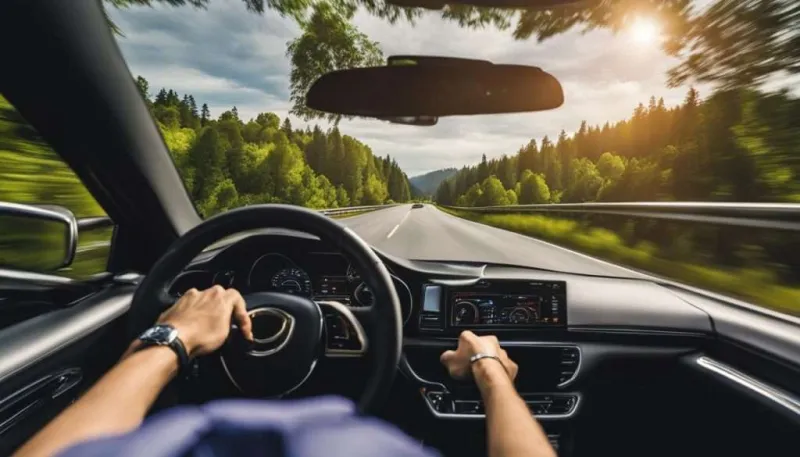
Satnav can make a lesson flow — until a late prompt sends your eyes to the screen and your lane discipline out of the window. This guide is about using directions as advice, not commands, so road signs and safety stay in charge.

The Other Seat Still Counts: Five Passenger-Seat Drills for Learner Drivers
Nerves and Confidence

The Other Seat Still Counts: Five Passenger-Seat Drills for Learner Drivers

Between lessons, the passenger seat can feel like a waiting room. It doesn’t have to be. These five calm observation exercises turn ordinary journeys into useful practice — without touching the wheel or second-guessing the driver.

When the Lane Shrinks: A Learner’s Field Guide to UK Rural Roads
Roundabouts and Roadcraft

When the Lane Shrinks: A Learner’s Field Guide to UK Rural Roads

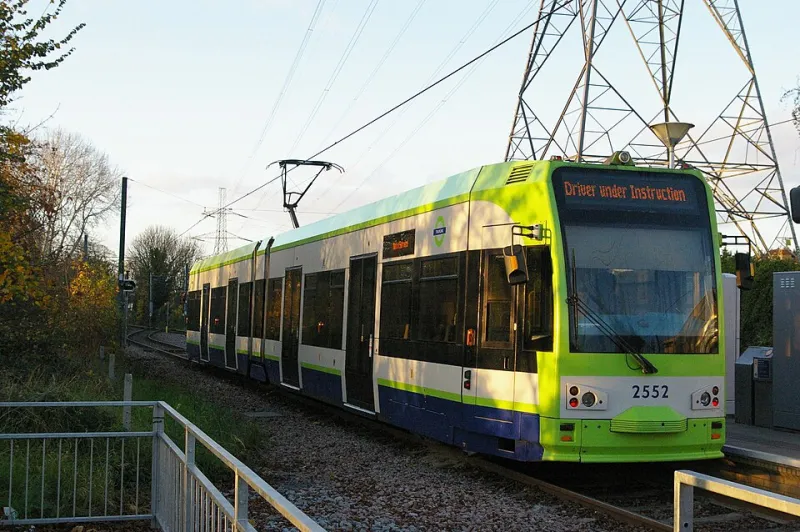
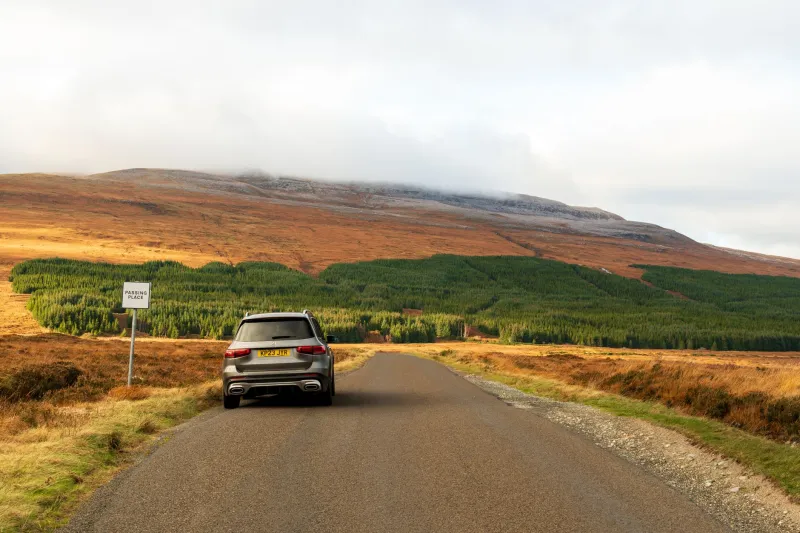
Most lessons start in town, but rural lanes ask a different set of questions. Here’s how to read blind bends, use passing places, handle tractors and sheep, and stay calm when another driver reaches the narrow bit first.

The Art of Sitting Quietly: A Supervisor’s Guide to Private Learner Practice
Nerves and Confidence

The Art of Sitting Quietly: A Supervisor’s Guide to Private Learner Practice

Private practice can turn a calm learner into a nervous wreck — or it can be the most useful hour of their week. Here’s how to supervise without hijacking the wheel, from clear directions and tactical silence to calm debriefs and the UK paperwork that keeps it all legal.

Stopping While You’re Ahead: The Quiet Progress of an Early Finish
Nerves and Confidence

Stopping While You’re Ahead: The Quiet Progress of an Early Finish

There is a point in a lesson when one more attempt stops being practice and starts being punishment. Ending early is not giving up — it is often the moment learning actually sticks.

Lights, Glare and the Long Way Home: A Learner’s First Winter Evening Drive
Roundabouts and Roadcraft

Lights, Glare and the Long Way Home: A Learner’s First Winter Evening Drive

The first lesson after the clocks change can feel like driving in a different country. Here is a calm, practical way to handle darkness, glare and reduced visibility without letting nerves take the wheel.

The Three-Second Answer: What ‘Pull Over When It’s Safe’ Really Asks of You
Roundabouts and Roadcraft

The Three-Second Answer: What ‘Pull Over When It’s Safe’ Really Asks of You

It can sound like a trap or a command. In reality, ‘pull over when it’s safe’ is an invitation to show planning, observation and judgement. Here is what your instructor is watching for — and a simple spoken routine to keep your head clear.

Quiet Tarmac, Real Progress: Turning an Empty Car Park into Your Practice Ground
Nerves and Confidence

Quiet Tarmac, Real Progress: Turning an Empty Car Park into Your Practice Ground

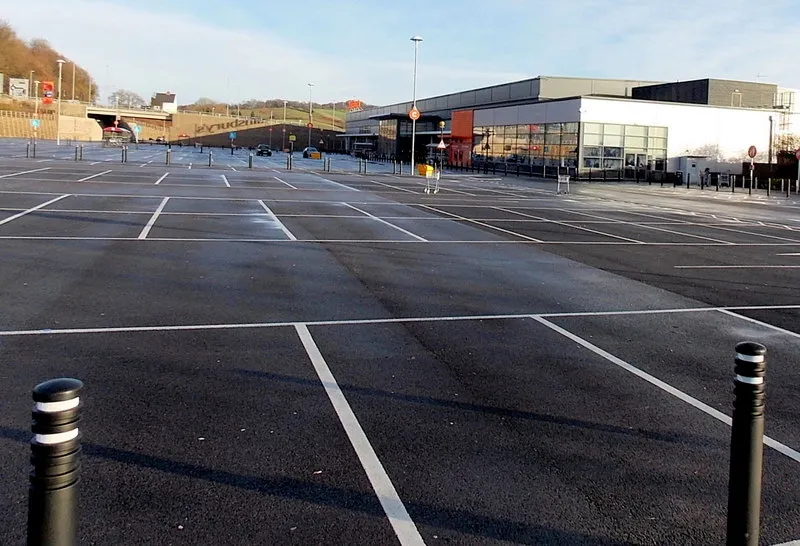
A supermarket car park after hours can feel like a secret practice ground: flat, quiet and forgiving. Here is a calm, repeatable set of drills for bay parking, reversing, observation and clutch control — plus how to keep it safe and legal.

Ten Minutes Before the Engine Starts: A Settling Routine for Anxious Learners
Nerves and Confidence

Ten Minutes Before the Engine Starts: A Settling Routine for Anxious Learners

Nerves before a driving lesson are normal — but they do not have to run the show. Here is the ten-minute pre-drive routine I run with wound-up learners, from seat setup and breathing to naming one clear goal for the drive ahead.

The Gap Is Not a Dare: Rethinking What Being Decisive at UK Roundabouts Actually Means
Roundabouts and Roadcraft

The Gap Is Not a Dare: Rethinking What Being Decisive at UK Roundabouts Actually Means

Most roundabout trouble comes from a simple misunderstanding: learners think the gap is a test of nerve. It is not. Here is how observation, not boldness, decides when to go — and why freezing and lunging are two versions of the same problem.