The Other Seat Still Counts: Five Passenger-Seat Drills for Learner Drivers
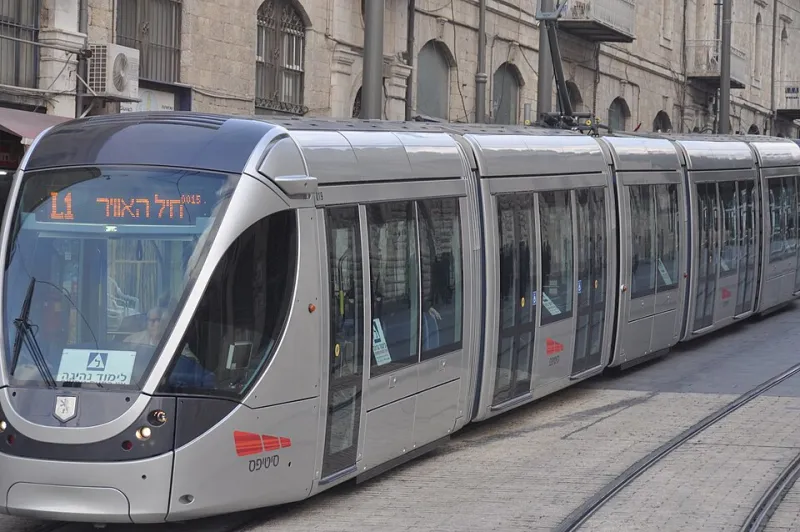
Photo: Escla, CC BY-SA 3.0, via Wikimedia Commons
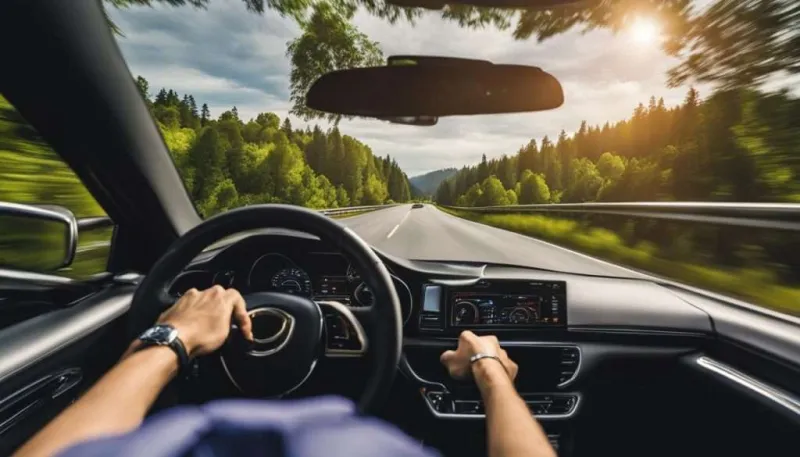
Most learners spend far more time in the passenger seat than behind the wheel. That can feel like dead time: you’re not driving, you’re not being assessed, and the keys are firmly in someone else’s pocket. But the passenger seat is not a waiting room. It is a quiet classroom, if you use it kindly.
At Phil’s Driving Lessons, we often hear learners say they wish they could practise more between paid sessions. The good news is that you can build real driving judgement without moving the car an inch. The trick is to keep it low-pressure, choose one thing at a time, and remember that you are observing — not auditing the driver.
One exercise at a time
Pick a single drill for a journey. Tell the driver briefly what you’re doing, or simply keep it to yourself if that feels easier. If they would rather you didn’t comment, leave it. The aim is not to become a back-seat instructor. It is to train your eyes and your internal commentary so that when you are next in the driving seat, more of the picture already feels familiar.
1. The hazard sweep
As the car moves, look beyond the bonnet and ask yourself a simple question: what could make the driver adjust speed or position in the next few seconds?
In town, the answers might be a parked car with a door that could open, a pedestrian hovering near a zebra crossing, a cyclist filtering past a queue, or a bus pulling out. On a rural road, it could be a tractor emerging from a field, mud on a bend, or a walker on a narrow verge.
You are not looking for danger everywhere. You are practising the habit of scanning far ahead, then bringing your attention back closer to the car. Try to spot three things on a short journey. Don’t gasp, point, or grab the dashboard. Just notice. This is the same calm scanning that makes driving feel less like a series of surprises.
2. Junction reading
Before the car reaches a junction, see if you can read its layout. Where is the give-way line? Is there a stop sign? Can the driver see clearly to the left and right? Are there lane markings, filter arrows, or a box junction to account for?
Ask yourself: if I were driving, what would I need to know here? That question is useful at crossroads, T-junctions, and the approach to roundabouts. You are learning to read the road in advance, which is half of smooth driving. It also takes some of the mystery out of busy junctions when you eventually drive them yourself.
3. The speed and space audit
This one is not about marking the driver out of ten. It is about calibration. Notice the speed limit signs, the feel of the road, the weather, and the gap between your car and the one in front. Ask yourself whether the speed leaves room for the unexpected.
In dry conditions, a useful guide is a two-second gap to the vehicle ahead. In wet weather, leave more. You don’t need to time it precisely from the passenger seat. Just notice when a gap looks generous and when it looks tight. Learning what a safe following distance feels like is far more useful than memorising a number and hoping it sticks.
4. The lane and sign story
Follow the story the road is telling you. Which lane do the arrows point to? Is there a bus lane with times on it? Is that a one-way street? What does the no-entry sign apply to? If I were driving, which lane would I want by now?
This is especially useful on test-style routes around town, where a late lane change is often just a late read. The earlier you notice the signs, the less rushed the decision feels. As a passenger, you can practise that early reading without any pressure to act on it.
5. The one-sentence replay
After the journey — not during a tricky moment — try a one-sentence replay. Something like: I noticed the gap closed quickly when the bus pulled out. Or: I would have eased off earlier at that blind bend.
Keep it factual and brief. This turns vague anxiety into specific learning. It also gives you something useful to mention in your next lesson: not I’m rubbish at junctions, but I want to get better at spotting cars emerging from the left. That is a much easier thing to work on.
Keep it low-pressure
Five minutes is enough. If you are tired, or the driver is stressed, skip it. The passenger seat should not become a rolling exam. You are building awareness, not collecting faults.
And remember what this is for. It does not replace formal instruction, and it does not count as driving practice in the eyes of the law. You still need proper lessons and supervised driving in the driving seat. But observation is a real skill, and it is one you can build on the way to the shops.
Next time you are offered a lift, take one drill with you. The wheel can wait. Your observation doesn’t have to.