The Quiet Cab: Your First Solo Drive After the Test
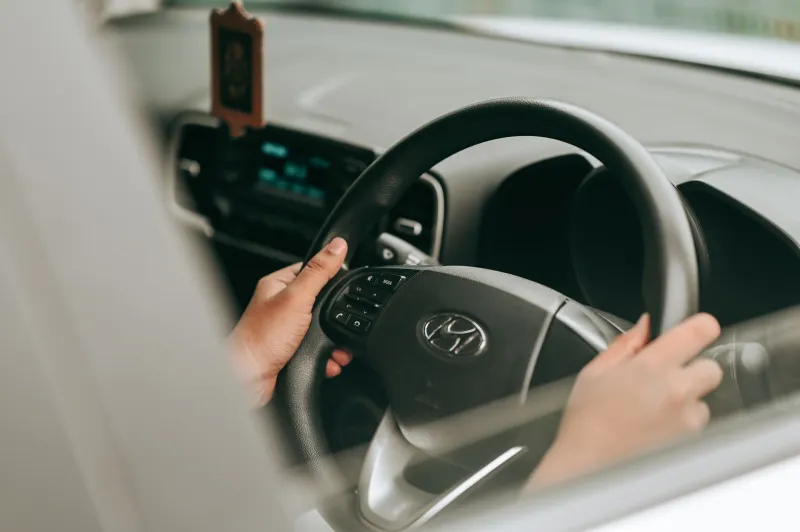
There's a particular moment just after you pass. The examiner shakes your hand, says well done, and walks away. You get into the car on your own, adjust the seat, and realise the passenger side is empty. No clipboard. No quiet bit of advice. No one to glance at when a van pulls out a bit sharpish. Just you, the steering wheel, and a silence that suddenly feels enormous.
That feeling is completely normal. It doesn't mean you've forgotten how to drive, and it certainly doesn't mean you weren't ready. It just means you've moved from being supervised to being independent, and your brain has noticed the change before the rest of you has caught up. This is a guide to that first solo journey — not a lecture, just a sensible plan for making it feel manageable.
The silence isn't a warning sign
When you're learning, your instructor fills the gaps. They might say "mirror before you signal", or "ease off, there's a cyclist", or simply make a small noise that tells you they've seen what you've seen. That running commentary becomes a kind of safety net. On your first drive alone, the net is gone and the cab feels quiet.
What tends to happen next is that you start providing the commentary yourself. You'll hear your own voice in your head saying "mirrors, signal, manoeuvre" at a junction, or reminding yourself to check the blind spot. That's a good thing. It means the habits are there. Let the quiet be quiet. You haven't lost your instructor's guidance — you've internalised enough of it to get moving.
Pick a route that would bore you
The temptation on day one is to drive somewhere interesting. Resist it. Interesting means unfamiliar junctions, busy roundabouts, and the possibility of a tricky lane change you haven't rehearsed. What you want instead is a route so ordinary it's almost dull.
A familiar loop is ideal. Maybe it's the road to the supermarket, the way to a friend's house, or the stretch you know well from lessons. Choose a time when traffic is light — mid-morning on a weekday is often calmer than the school run or the five o'clock crush. Avoid the motorway for now unless you genuinely feel ready; there's no prize for ticking it off on day one. There is also no shame in avoiding the multi-storey car park until you've had a few solo trips under your belt.
The aim isn't to prove anything. It's to give yourself a gentle, repeatable experience of driving alone so that your brain files it under "normal" rather than "terrifying".
Ten minutes of nothing before the engine starts
A small pre-drive ritual helps more than people expect. Before you turn the key, do the same things in the same order:
- Adjust your seat and mirrors, even if no one else has driven the car.
- Put your phone out of reach — not just on silent, but in the glovebox or a bag in the back.
- Check the handbrake is on and the car is in neutral, or in park if it's an automatic.
- Take three slow breaths. Not because you're in a crisis, but because it gives your body a moment to settle.
This little routine does two things. It gives you a job to do, which stops your mind racing, and it reinforces the idea that you're in charge. The car hasn't changed since your test. You haven't forgotten how to drive it. You're just doing the same things without an audience.
If it goes wobbly, pull over — that's not a failure
Something will probably happen. You might stall at a junction, take a wrong turn, or have someone behind you beep because you were a fraction slower than they'd like. On a lesson, your instructor might have said something reassuring. Alone, it can feel like a much bigger deal than it is.
If you feel flustered, pull over somewhere safe and legal. A side street, a lay-by, a car park — anywhere you're not blocking traffic or stopping on double yellows. Put your hazard lights on if you're in a position where other drivers might not expect you. Then sit for a minute. Breathe. Have a sip of water. Reset.
Pulling over isn't a sign that you shouldn't be on the road. It's a sign that you know how to manage yourself, which is arguably a more important skill than never making a mistake. Newly qualified drivers who give themselves permission to stop and regroup tend to be calmer than those who plough on through the adrenaline.
The first trip is allowed to be small
You don't have to drive for an hour. A ten-minute loop to the shops and back is a perfectly valid first solo journey. In fact, short trips are brilliant because they're easy to repeat. Do the same route three or four times over a couple of weeks and you'll notice the nerves fading. The junctions become familiar, the timing feels natural, and the silence stops feeling like a spotlight.
Confidence isn't built by one heroic drive. It's built by lots of small, unremarkable ones. A quick trip to the retail park. A short run to visit family. A quiet Sunday morning drive to nowhere in particular. Each one adds a layer.
Let the passenger seat stay empty for a bit
It's tempting to fill the car with mates the moment you pass, but the early solo drives are worth protecting. Passengers are lovely, but they're also a distraction. They chat, they change the music, they point things out, and they sometimes gasp at exactly the wrong moment. Give yourself a few trips on your own first. Get used to the quiet cab. Then, when you do start carrying passengers, you'll be doing it from a place of steadiness rather than showmanship.
A gentle word about motorways and P plates
There's no rule that says you have to drive on a motorway the week you pass. Many newly qualified drivers wait until they've had a bit of practice on ordinary roads, and that's a sensible approach. If you do want to tackle a motorway, consider a Pass Plus session or a motorway lesson with an instructor — it's a different kind of driving and a bit of guidance goes a long way.
P plates are optional in the UK, but some drivers find them useful as a quiet signal that they're new. Others find they attract impatience. It's entirely your call, and you can change your mind.
The empty seat fills up again, eventually
The first solo drive is a strange little milestone. It feels like a test, even though no one is marking it. But the quiet cab isn't empty forever. Soon it'll have shopping bags in the footwell, a coat on the back seat, and perhaps a passenger who trusts you to get them where they're going. For now, though, let it be quiet. Take the boring route. Pull over if you need to. And remember that every newly qualified driver has sat in that same seat, on that same first day, feeling exactly the same thing.