Snow on the Bonnet, Not on Your Plans: A Learner’s Guide to a Weather-Hit Test Day
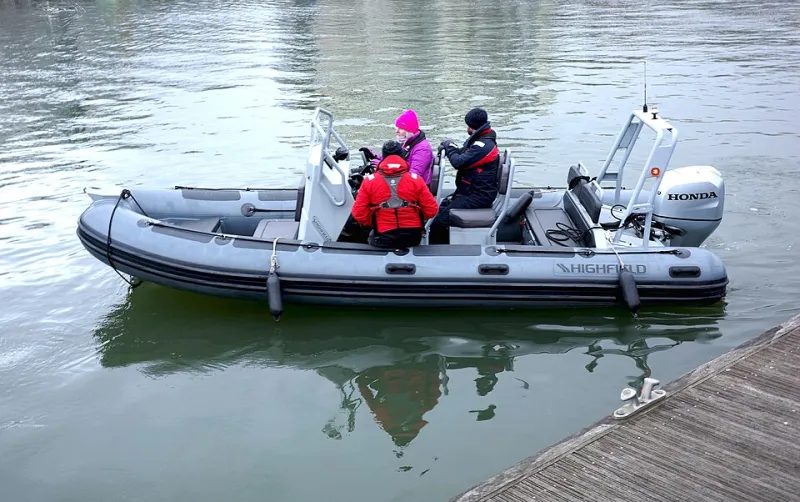
Photo: Anthony O'Neil , CC BY-SA 2.0, via Wikimedia Commons
There is a particular kind of silence that follows the words: your driving test has been cancelled because of the weather. Maybe it arrives as a text, maybe an email, maybe a hurried conversation at the test centre door. Either way, the effect is the same. You have spent weeks preparing for a specific morning, and suddenly that morning has been taken off the calendar.
As we head into winter 2026, it is worth having a plan for this. Not because snow is guaranteed, but because weather disruption is one of those things that feels much worse when you are already nervous. The goal is not to become a meteorologist. The goal is to keep your booking, your head and your preparation in reasonable order.
First, separate the weather from the booking
A cancelled test is not a failed test. It is an administrative rearrangement caused by conditions outside your control. That sounds obvious, but in the moment it can be surprisingly easy to blur the two.
The Driver and Vehicle Standards Agency (DVSA) will usually contact you if it cancels a practical test because of bad weather. Check the contact details you gave when booking. Look at your email, including the spam or promotions folders, and check your text messages. It is also worth checking the DVSA service information before you set off if the roads around the test centre look questionable.
What you should not do is cancel the booking yourself because you assume it will be called off. Unless you have been told otherwise, your test may still be going ahead. If you cancel, you may lose your fee and your place in the queue. If you are unsure, contact the DVSA or your instructor rather than making a snap decision in a panic.
The call might not come when you expect it
Weather decisions can be made late. A test centre may wait until the morning to see how conditions are developing. That can leave you in an awkward limbo: dressed, ready, keys in hand, not sure whether to travel.
Give yourself a cut-off point. If you have not heard anything and the roads around you are genuinely unsafe, do not force the journey. Speak to your instructor. They will have a better sense of local conditions and whether the test centre is likely to be operating. If you are already on your way and conditions change, find somewhere safe to stop and reassess. No test is worth a risky drive.
Protect the booking and the paperwork
If your test is postponed, keep your booking reference handy. Take a screenshot of the cancellation message. If a new date is offered, confirm what it is and check that it has actually been applied to your booking. Keep an eye out for any email that asks for payment to secure a replacement slot. The official DVSA rebooking process is the one to use, not a third-party site promising miracles.
It also helps to tell your instructor straight away. They may have other pupils affected, and they can help you work out a sensible new date. This is not the moment to go quiet and try to sort everything alone.
Your nerves need a plan, not a pep talk
When a test is cancelled, the temptation is to either collapse in a heap or launch into a frantic revision session. Neither is especially useful.
Try to name what has happened in plain terms: the test has been moved, not ruined. Give yourself an hour to be annoyed about it. Then do one small practical thing: check your booking, message your instructor, write down the new date. That is enough for the day.
If you are prone to test-day nerves, the unexpected gap can actually be a chance to practise settling yourself. Use the same breathing routine you would use before the test. Go for a walk. Do something that is not driving-related. The aim is to stop the cancellation from becoming a story about how unlucky you are or how unprepared you must be. It is weather. That is all.
Use the gap, but do not fill every hour
A replacement date might be a week away, or it might be several weeks. Either way, you do not need to spend every spare moment doing mock tests.
One short drive in safe conditions can help you remember that you can drive. A gentle session with your instructor, if they have availability, can keep the feel of the car fresh. You could also revisit the quieter bits of preparation: checking your documents, practising the show-me, tell-me questions, or reading up on the test route area.
What you should avoid is cramming. If you arrive at the replacement test exhausted from a fortnight of panic-practising, you have not gained anything. Steady preparation is still the better approach.
Choose the replacement date with your head, not your fear
When a new date is offered, it is tempting to grab the earliest one available. Sometimes that is fine. But ask yourself a simple question: will I be ready for that date, or am I just trying to make the waiting stop?
Consider your instructor’s availability, the time of day, and whether the date gives you enough time to get back into a calm rhythm. A slightly later test where you feel settled is usually better than an earlier one where you are still rattled. This is not about being fussy. It is about giving yourself a fair shot.
If the test does go ahead in cold weather
Sometimes the test will run in conditions that are cold but safe. In that case, give yourself more time than usual. Clear the windows properly, not just a letterbox of glass. Wear warm clothes that do not restrict your movement. Take your time with the pre-drive checks. Rushing because your fingers are cold is exactly the kind of thing that makes a nervous learner feel worse.
And if the test centre decides to cancel on the day, remember the plan: check the message, keep the booking, tell your instructor, and let yourself off the hook. Snow on the bonnet is not a verdict on your driving. It is just winter doing what winter does.