A Flash of Goodwill, Not a Green Light: When Junction Kindness Pressures Learners
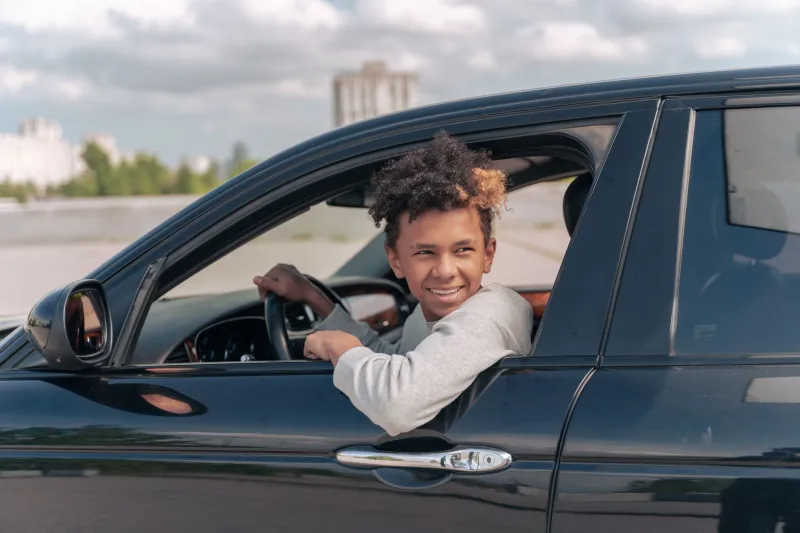
You are waiting at a T-junction. A car approaches on the main road, slows, and flashes its headlights. The driver lifts a hand and waves you out. It looks like a small act of kindness, and in many ways it is. But for a learner, that wave can land like a command: they have been nice, so I must go now.
That is the trap. A flash of headlights is not a legal instruction, and a friendly wave does not make a gap safe. The driver may mean well, but your job is still to decide whether the road is clear enough to move. Politeness is lovely. It is not a substitute for observation.
What a flash actually means
The Highway Code is clear enough on this. Headlights should only be flashed to let other drivers know you are there. They should not be used to tell someone to proceed, and you should never assume that a flash is an invitation to move. That last part matters most for learners. A flash is information, not authority.
At a junction, priority comes from the road layout, the signs and markings, and what is actually happening around you. It does not come from a raised hand or a quick double-flash. The driver waving you out may be relaxed, but they are not in charge of the cyclist filtering down the inside, the pedestrian about to step off the kerb, or the car approaching from the other direction. They are only in charge of their own vehicle.
There is another wrinkle. A flash may not even be meant for you. It could be a warning to someone else, a thank-you, or a signal to a driver behind. Even when it is clearly aimed at your bonnet, it is still just a message. You have to check the rest of the picture.
The pressure to be polite
Learners often feel a strong pull to respond quickly. Someone has done something nice, and to hesitate feels rude. There may be a queue behind you. The other driver is waiting. You can almost hear the imaginary sigh. So you creep forward before you have really looked.
But hesitation at a junction is not rudeness. It is reading the road. A few seconds spent checking your right, your left, and your blind spot is not a personal insult to the driver who flashed. It is the ordinary work of driving safely.
It helps to remember that a wave does not transfer responsibility. If you pull out because someone waved and something goes wrong, the fact that they waved will not make the road clear. Their kindness does not override your own observation. You are still the driver in charge of your car.
Three checks before you accept
When a driver flashes or waves you out, try to run the same checks you would use without the invitation.
First, look at the road, not the hand. The wave is a distraction with good manners. Bring your eyes back to the junction, the crossing, the pavement, and the mirrors. What is actually moving?
Second, check whether the signal is really for you. Is the other car slowing properly? Are they flashing at someone behind you? Is there another vehicle waiting to turn? A signal that is ambiguous is not a signal you should act on.
Third, ask yourself the simple question: would I go if they had not waved? If the answer is no, wait. If the answer is yes, proceed calmly and keep checking as you go. If your view is blocked, creep forward slowly to peek rather than lunge into the gap. There is a difference between accepting a gap and trusting a wave.
If you decide not to go
Sometimes the kindest thing you can do is stay put. The driver may keep waving. They may edge forward a little, as if to insist. You do not have to match their urgency.
You can acknowledge them without moving. A brief raise of the fingers from the steering wheel, a nod, or a mouthing of thank you is usually enough. If they still wave, hold your position and keep looking. Most drivers understand. Some may not, but their impatience is not a reason to take a risk.
It can feel awkward, especially when you are new. But awkward is survivable. A collision is not. The social contract at a junction should be simple: be courteous, but do not treat courtesy as permission.
What supervisors can do
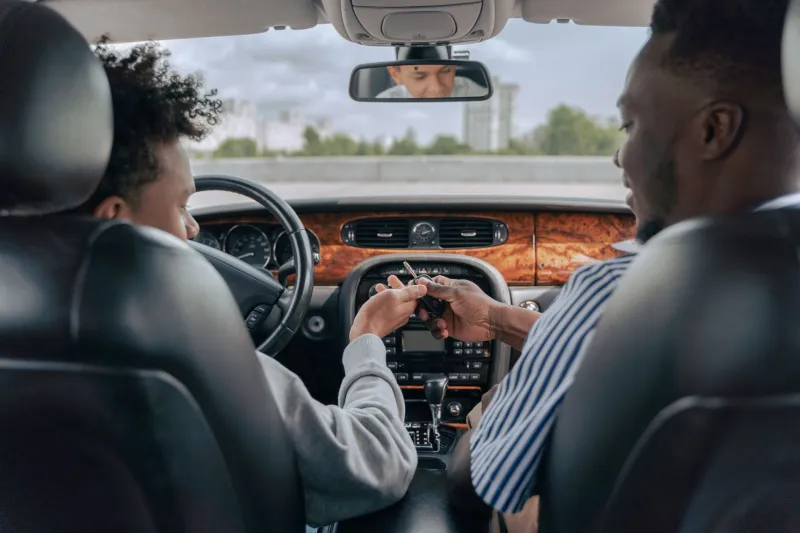
If you are supervising a learner, the temptation is to translate the wave for them. Go on, they are waving you out. Try to resist that. It takes the decision away from the person who needs to practise making it.
Instead, ask a question that returns their attention to the road. What else can you see? or What is the cyclist doing? Let them work through the information. If they say they feel pressured, name it. Yes, they are being polite, but you are allowed to check first.
A short pre-brief helps too. Before the lesson, agree a phrase they can use out loud: I see them; I am checking. It gives them a moment to slow the situation down. In the debrief, ask what the wave made them feel, and what information they used before moving. That conversation is often more valuable than the junction itself.
A small social contract
Courtesy has a place on the road. A flash, a nod, a wave of thanks when someone lets you out: these small gestures keep traffic human. But they only work when everyone remembers what they are. They are communication, not command.
So if a driver waves you out, take it as a hello, not a green light. Check the road for yourself. Decide for yourself. Then, once you are safely moving, be as polite as you like. The kindness can come after the observation. It does not need to come before it.