The Street Tells You First: Reading 20mph Zones Without the Guesswork
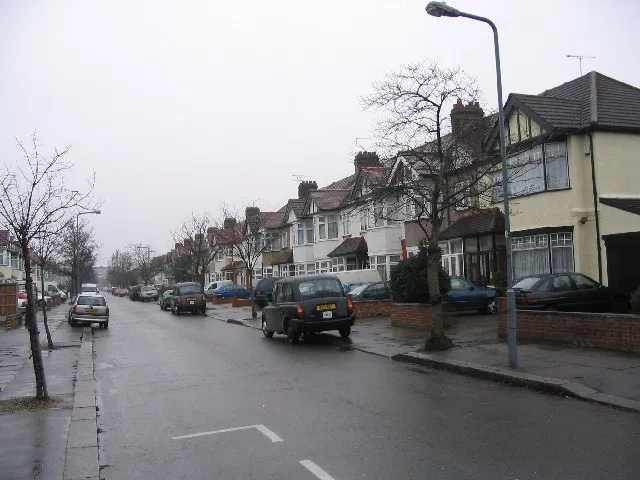
Photo: Andrew Dann, CC BY-SA 2.0, via Wikimedia Commons
You turn into a street you don't know. Terraced houses, parked cars, a primary school sign, maybe a speed hump. The road you've just left was a 30. So what is this one?
That question is worth answering before your right foot answers it for you. The UK's 20mph picture is patchy, and it changes as you cross borders and council boundaries. But the skill you need isn't memorising a map. It's reading the street in front of you, then letting the signs confirm what you've already noticed.
The street usually speaks before the sign does
Residential streets have a way of telling you they want a gentler pace. Narrow gaps between parked cars. Front doors opening straight onto the pavement. Kids on scooters half-hidden between hedges. A school entrance, a zebra crossing, a row of speed cushions.
Those clues are not the law. They are information. They tell you to ease off and look further ahead, which is exactly the frame of mind you need when a 20 roundel appears. The sign sets the limit; the street tells you why it's there.
What a 20mph limit actually looks like
Most learners recognise the round sign with a red ring and '20' in the middle. What catches people out is the supporting cast.
At the start of a 20mph zone you'll often see the roundel with a rectangular 'Zone' plate beneath it. Further along, repeater signs remind you. Some streets have '20' painted on the road surface. Traffic calming - humps, cushions, raised junctions - is another clue, especially in older zones.
Not every street has every clue. A 20mph limit doesn't have to look dramatic. It can be an ordinary-looking road with a couple of signs and nothing else. That's why you scan for the entry sign as you approach the turn, not after you've committed.
Why the same-looking street can be different
This is the bit that trips up new drivers who've been practising in one town. Speed limits on residential streets are not identical across the UK.
Wales changed the default on restricted roads to 20mph in September 2023. Scotland moved to a national 20mph default on restricted roads at the end of 2025. England has no national default for these streets; local councils decide where 20mph zones and limits go, so you'll find wide 20mph areas in some places and mostly 30mph streets in others.
A street-lit residential road is what the law calls a 'restricted road'. In England, unless signs say otherwise, that usually means 30mph. In Wales, and now Scotland, the default is different. The practical lesson for a learner is simple: don't carry the last street's limit around the corner with you.
Look, confirm, settle
The habit you want is a loop, not a snapshot.
As you approach a junction, look for the entry sign. As you turn, keep your eyes up and scan the street ahead. Once you're straight, glance at the speedometer. Then look for the next repeater. That's it: look, confirm, settle.
The speedo glance should be a flick, not a stare. If you find yourself watching the needle, you're driving the dashboard instead of the road. Use the street's cues to set your speed, the sign to check you're legal, and the speedo to confirm you've settled.
The transition is the tricky part
Leaving a 20mph zone can feel oddly urgent. The sign changes, the road opens up, and the car behind is already close. Resist the urge to accelerate at the sign itself.
Wait until you've passed it, seen the new limit clearly, and checked it's safe. A 30 sign is permission to travel up to 30, not an instruction to hit it immediately. The same goes for entering a 20 zone: the limit starts at the sign, so the time to adjust is before you reach it, not after.
When you can't see the sign
Hedges grow. Vans park. Low winter sun turns a sign into a dark rectangle. If you can't read the limit, don't guess from the last street or from what a similar road looked like in another town.
Ease off, look for a repeater or road marking, and give yourself time. If it's still unclear, drive at a speed that lets you stop in the distance you can see to be clear. That's not indecision; it's good roadcraft. Ask your instructor about the specific street afterwards, when you're parked and can look properly.
A small drill for your next lesson
Try a commentary game on a quiet residential stretch. As you drive, say what you see: 'parked cars, school sign, 20 roundel, speed hump.' Your instructor can ask you to predict the limit before the sign appears, then check whether you were right.
It sounds simple, but it builds the right muscle: observation first, confirmation second, speed third. Nervous drivers often do the reverse - speed first, then panic, then look. This drill puts the order back the right way round.
Twenty is a ceiling, not a target
A 20mph limit doesn't mean you must sit at exactly 20. It means you must not exceed it. On a tight street with parked cars and children, 15 might be the sensible speed. On a wide, clear 20mph road, 20 may feel perfectly natural.
The calm version of urban speed reading is this: let the street tell you what's coming, let the sign tell you what's allowed, and let your speedo confirm you've settled. You don't need to memorise the UK's patchwork. You just need to look earlier than you think.